Beauty Brand Demand Forecasting Is Not Really Forecasting

Kshitij Kumar
Chief Data and AI Officer
Beauty Brand Demand Forecasting Is Not Really Forecasting
For years, beauty brands approached forecasting as a historical exercise. Planning teams looked at last season’s sales, regional performance, promotional calendars, and replenishment cycles to predict future demand. The assumption was simple: if brands understood historical trends well enough, they could accurately forecast what customers would buy next.
That model is starting to break down.
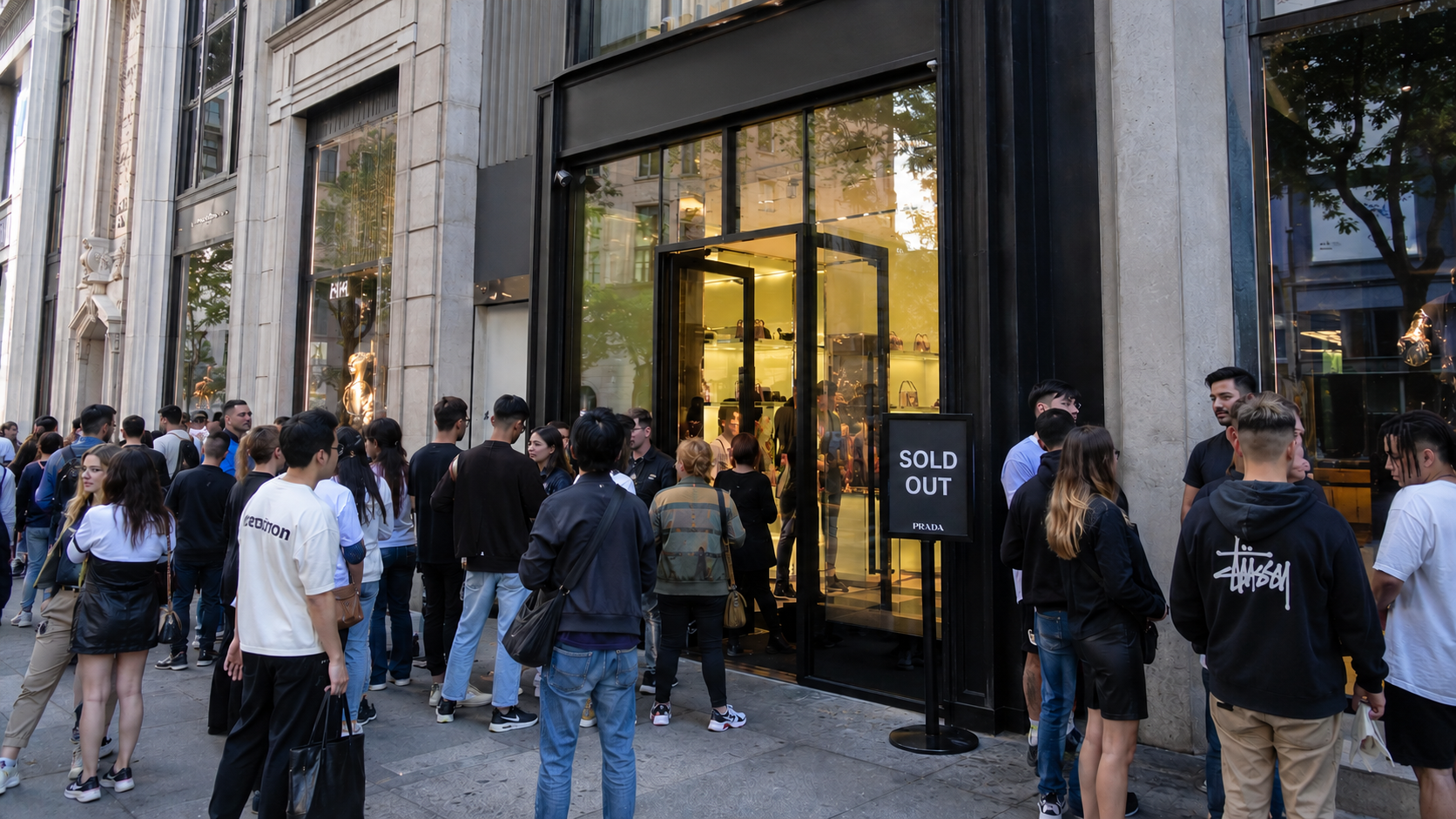
Modern beauty demand no longer moves in predictable cycles. A skincare product can suddenly spike because a creator mentions it in a short-form video. A fragrance line can gain traction in one geography because of localized social engagement. A particular shade can go viral online before it even meaningfully appears in sales reports. By the time many planning systems recognize the trend, the operational window to respond is already shrinking.
This is the growing challenge in modern beauty brand demand forecasting. The issue is no longer just forecasting demand accurately. It is identifying changing demand signals quickly enough to operationally respond before inventory, fulfillment, and allocation problems appear.
Learn more about the Data-Action Gap and How to Solve it
Fill in your details below and our experts will connect with you shortly.
Beauty Demand Has Become Too Dynamic for Traditional Forecasting
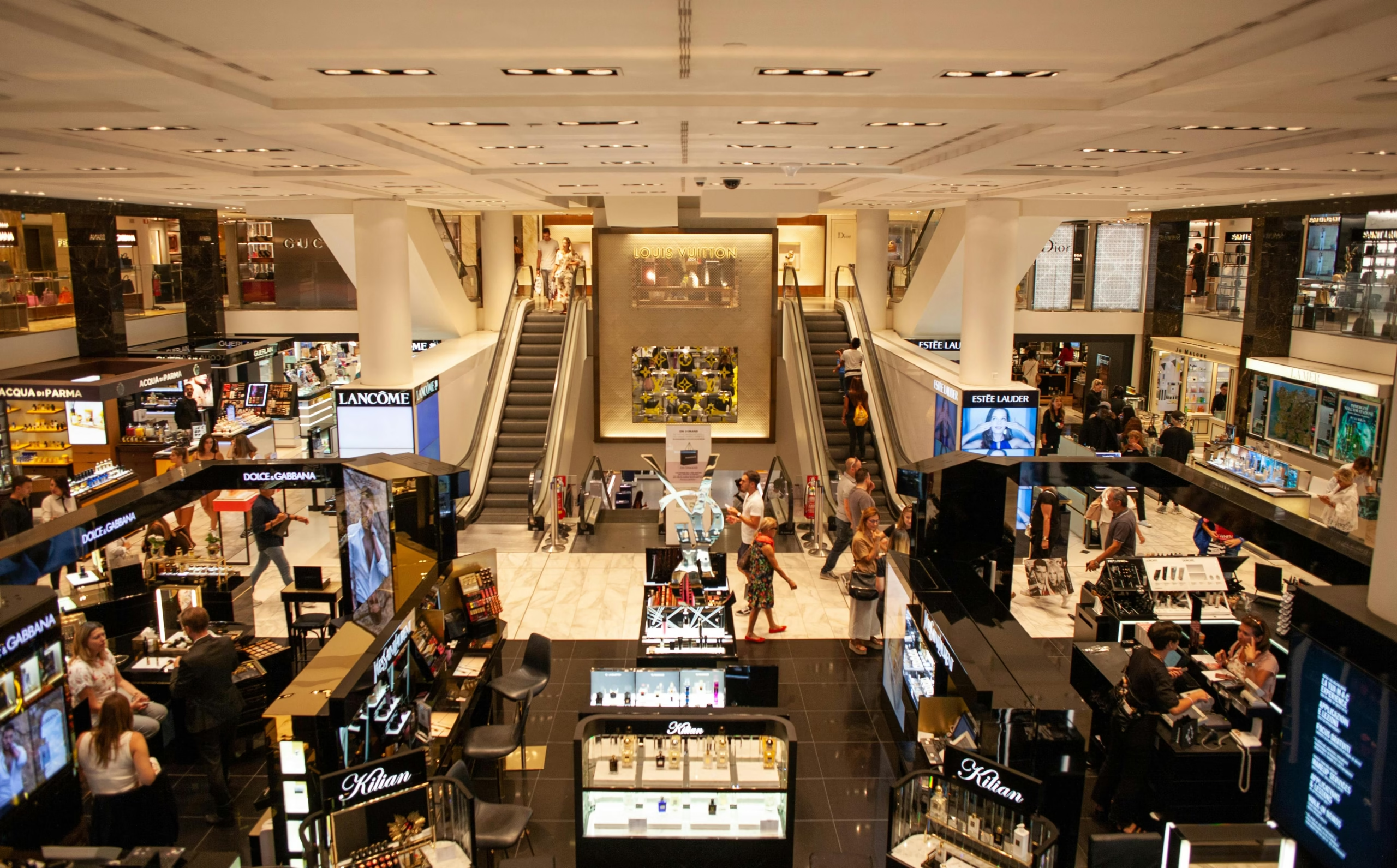
Beauty retail has become one of the most volatile and signal-driven sectors in modern commerce. Consumer behavior is now influenced by creator ecosystems, social media velocity, marketplace dynamics, seasonal micro-trends, subscription models, and rapid product launches happening across multiple channels simultaneously.
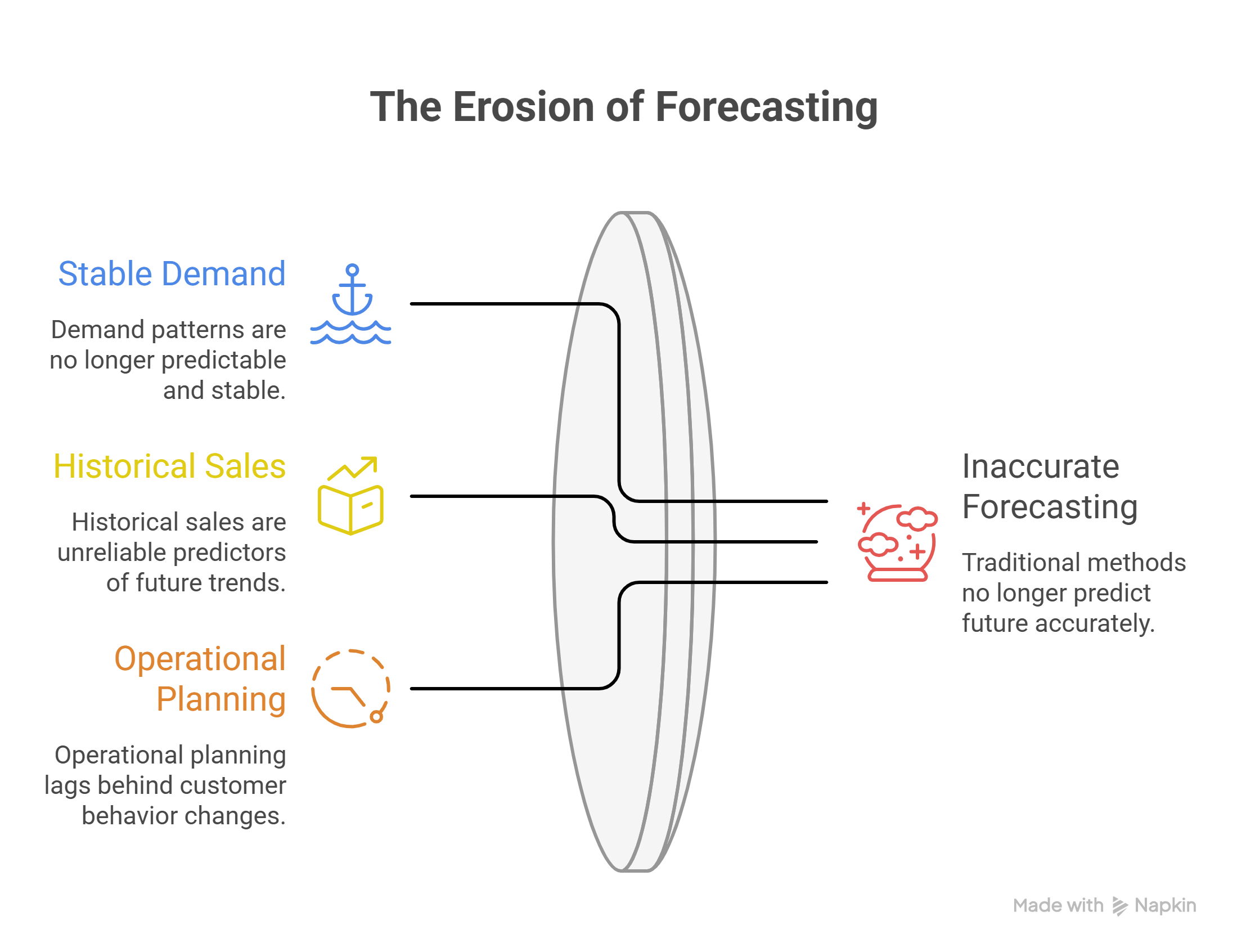
Traditional forecasting systems were not built for this level of complexity.
Most planning environments still rely heavily on historical sales patterns and periodic reporting cycles. But beauty demand increasingly emerges outside transactional systems first. Search activity, social engagement, wishlist behavior, review sentiment, and creator-driven conversations often reveal directional demand shifts before they become visible in ERP or POS reports.
This creates a growing disconnect between how fast the market moves and how fast organizations can react.
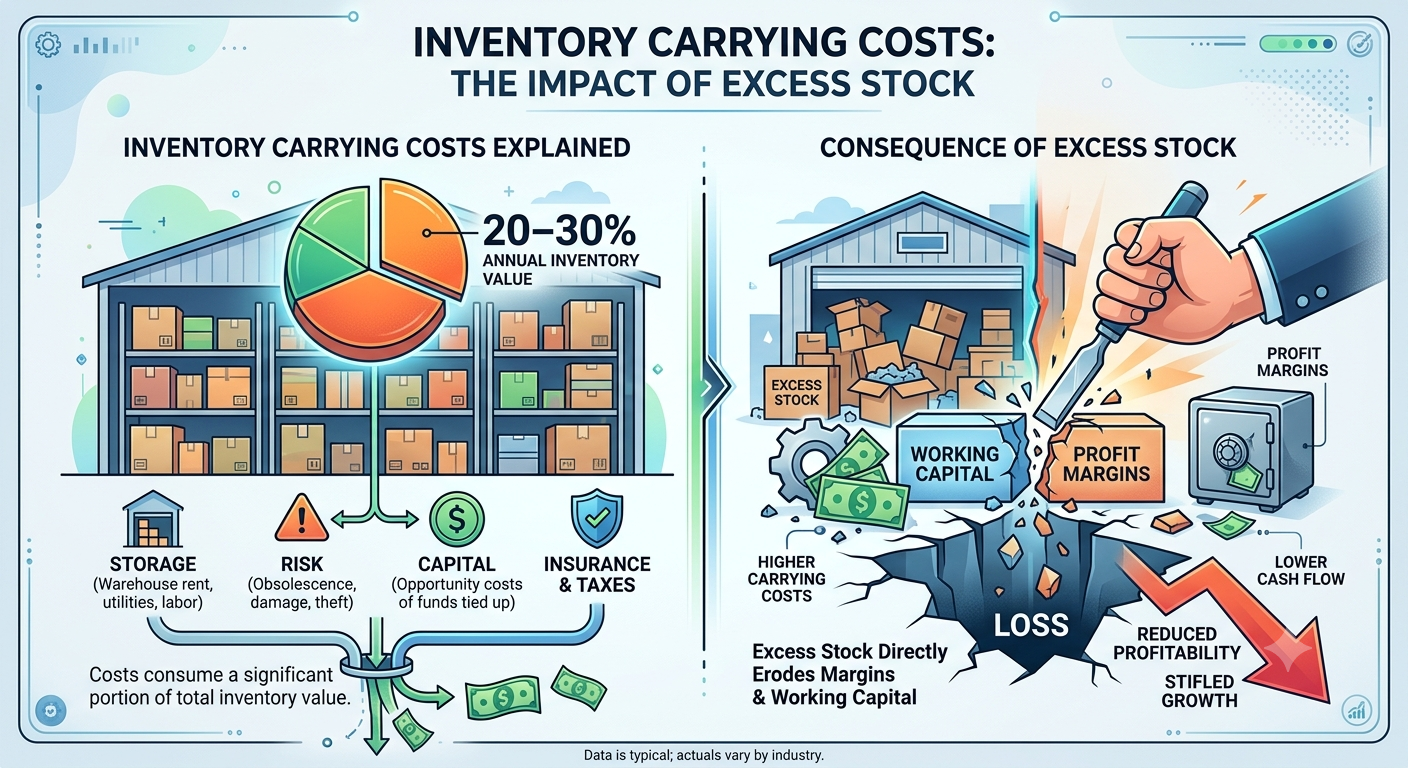
The consequences are visible across the industry. Beauty brands frequently experience stockouts on fast-moving products while slower SKUs accumulate excess inventory. Replenishment decisions arrive too late to fully capitalize on demand surges. Inventory ends up sitting in the wrong regions, channels, or fulfillment pools while planners manually reconcile disconnected systems trying to determine what changed.
The problem is not a lack of data.
Most beauty organizations already have enormous amounts of information across e-commerce platforms, marketplaces, loyalty systems, inventory feeds, customer analytics, and campaign performance dashboards. The real challenge is that this information remains fragmented across reporting environments that were built for visibility rather than operational action.
Forecasting Alone Does Not Create Faster Decisions
One of the biggest misconceptions in retail is that better forecasting automatically creates better operations. It does not. A forecast only matters if it changes a decision in time.
Today, many planners already know when demand is accelerating for a particular product or category. The difficulty is operationalizing that insight quickly enough across inventory, replenishment, supplier coordination, regional allocation, and channel fulfillment systems.
That coordination layer is where modern retail complexity becomes difficult to manage manually. A single demand shift may require evaluating warehouse inventory, marketplace commitments, supplier lead times, promotional calendars, wholesale obligations, and regional sales velocity simultaneously. No dashboard alone resolves that operational complexity. Human teams are still expected to manually connect fragmented systems, interpret competing signals, and execute decisions fast enough to prevent revenue leakage.
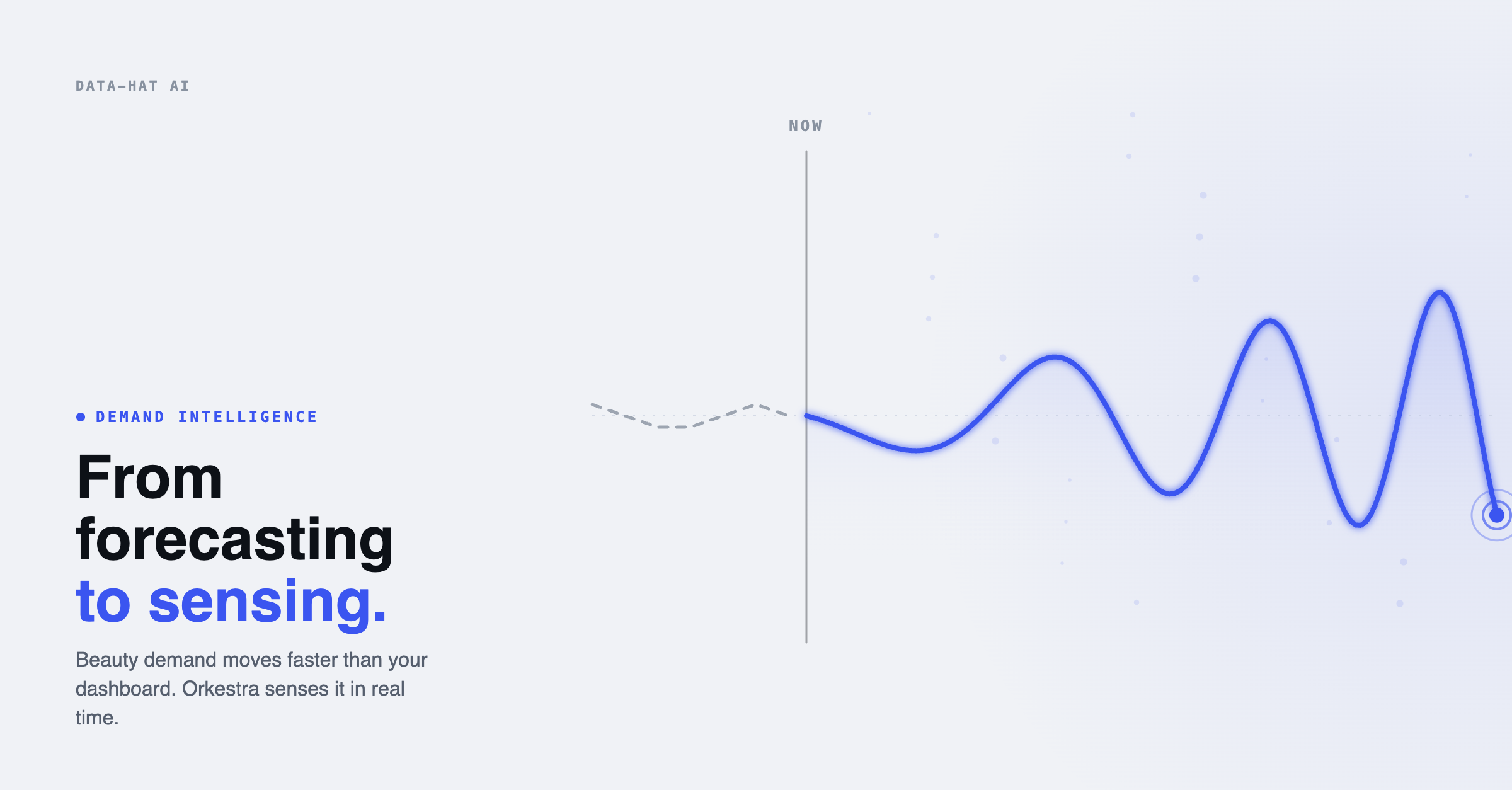
That is why forecasting in beauty is increasingly becoming less about prediction and more about sensing.
The Future of Beauty Brand Demand Forecasting Is Continuous Sensing
The beauty brands beginning to outperform are not necessarily the ones with the most dashboards or the largest datasets. They are the ones building systems capable of continuously sensing changing demand conditions across the business.
Instead of relying entirely on static planning cycles, modern operational environments are moving toward continuous signal synthesis, systems capable of monitoring emerging demand patterns, identifying operational risks, evaluating constraints, and surfacing actionable recommendations before problems compound.
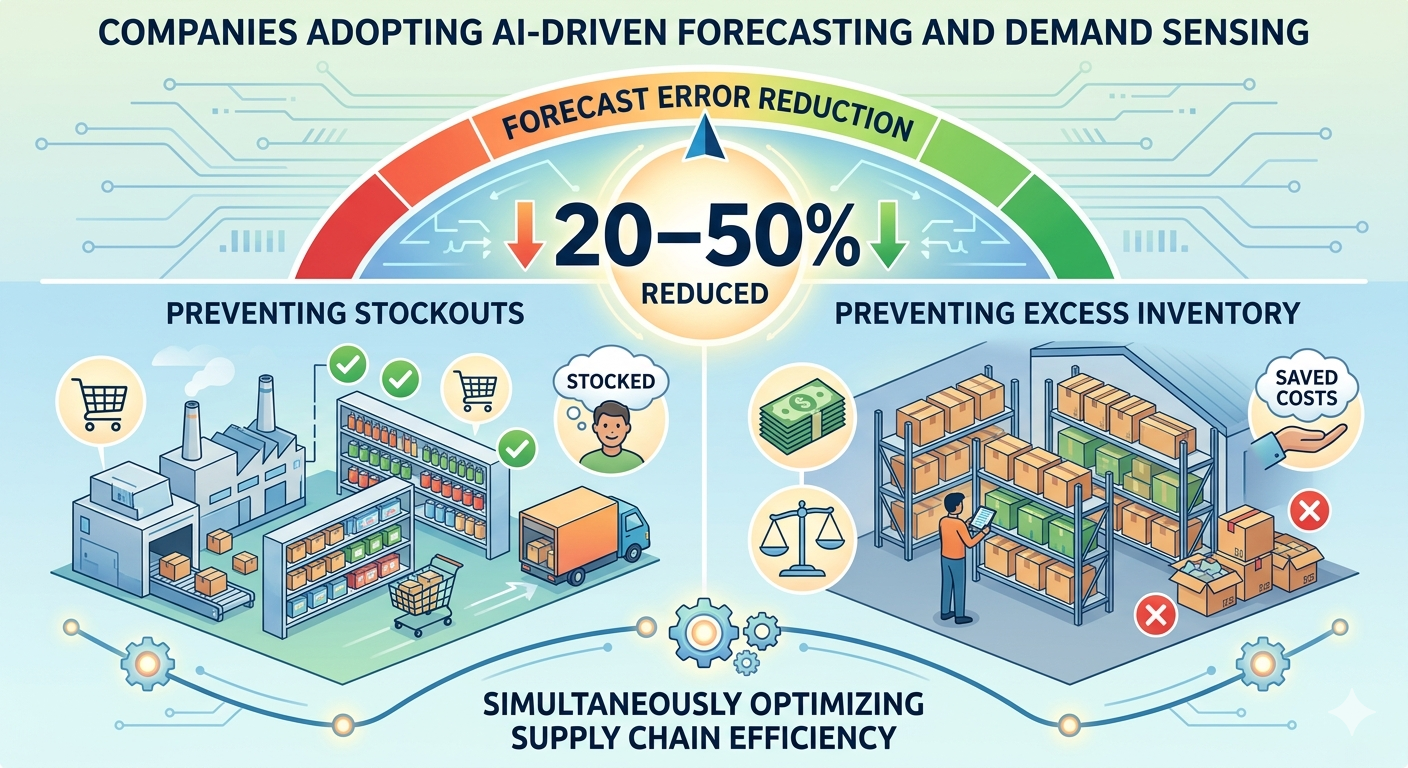
The goal is not full automation. Beauty retail still requires human judgment in merchandising, assortment planning, brand positioning, and category strategy. But the operational coordination beneath those decisions has become too complex for manual orchestration alone.
The brands that gain an advantage over the next decade will be the ones capable of reducing the time between signal detection and operational action. Because in modern beauty retail, competitive advantage is no longer defined by visibility alone; it is defined by responsiveness.